Garden Clearance in Sutton
Garden clearance in Sutton should leave outdoor space tidy, workable and ready for whatever comes next, whether that means a light seasonal tidy-up or a fuller clearance of overgrown waste. Our service focuses on removing green waste, loose garden clutter and awkward materials in a way that is practical for homes, landlords and properties needing a reset. We handle the lifting, loading and sensible disposal of what has built up, so the garden can be brought back under control without unnecessary disruption.
The work can cover many common garden items: cut branches, hedge trimmings, grass cuttings, leaves, soil, old plant pots, broken outdoor furniture, timber offcuts and general yard debris. Some jobs are straightforward and some require more sorting, particularly where waste has been left after repeated maintenance or a larger outdoor project. We aim to make the process clear and organised, with useful removal support rather than a one-size-fits-all approach.
For a clear quotation, it helps to outline the type of material involved, the size of the clearance and any access limits such as narrow side passages, rear entries or shared walkways. Simple details usually make it easier to identify the right approach and estimate the scale of the work. If you are comparing options, start by deciding whether you need a tidy-up, a partial clearance or a more complete garden removal service.
Garden waste removed with care
Garden clearance is often about more than just removing green material. A good service should separate what can be handled as garden waste from what needs extra attention, such as mixed rubbish, heavier items or broken fittings that are not part of the planting area. In practice, that means treating the space carefully, keeping pathways clear while work is carried out and removing waste in a way that suits the condition of the property. The goal is a clean result without leaving the site cluttered halfway through the job.
We can clear material after pruning, seasonal cutting, replanting, hedge reduction or a long period of neglect. Where suitable, waste may be collected together to keep the job efficient, but mixed loads still need sensible handling so that recyclable green matter is not treated the same as general rubbish. If the garden contains both natural and man-made waste, we sort the job with that difference in mind. Garden clearance is most effective when the work plan matches the actual contents rather than assuming every site is the same.
What is commonly included
Typical garden clearance work often includes piles of branches, clippings, dead plants, leaves, turf offcuts, old compost bags, damaged canes, rotten fence panels, broken planters and weathered outdoor storage items. Some customers also want help removing old children’s play equipment, worn decking pieces or other exterior clutter that has become unsafe or simply no longer useful. A tidy outcome depends on taking each part of the waste seriously rather than pushing everything into one broad category.
Overgrown spaces, beds and boundary areas

Many clearances begin with parts of the garden that have become difficult to use: dense borders, overgrown corners, shed surrounds and boundary strips where cuttings and discarded items tend to collect. These areas can hide mixed waste, snag loose material and slow down simple maintenance. We work through such spaces methodically so that the ground can be seen properly and the remaining surface is left easier to manage. That makes later maintenance more straightforward, whether the next step is planting, repair or routine upkeep.
In larger or more neglected gardens, the task may involve breaking the job into sections. One area might contain only light green waste, while another holds heavier household-type items or damaged materials that need separate removal. That distinction matters because it affects loading, sorting and disposal. A careful clearance takes account of the shape of the site as well as the amount of waste, especially where access is limited or where items must be moved a longer distance to the collection point. Waste removal can be arranged alongside garden work when mixed materials are part of the same job.
Where the clearance is linked to preparation for landscaping or repairs, it is sensible to identify what should stay and what should go before the work starts. The more clearly the existing materials are understood, the easier it is to avoid taking away items that still have a use. In that sense, good garden clearance is both physical work and practical sorting, not just a collection exercise.
Hedge cuttings, branch piles and seasonal tidy-ups
Seasonal work often generates material that looks manageable at first but becomes awkward once it has been stacked. Branch piles take up space, hedge cuttings can spread across paths, and damp leaves quickly make surfaces messy underfoot. Our service addresses this kind of clearance by removing the waste in a controlled way and helping the garden return to a presentable state. This is especially useful after busy growth periods, storm damage or a round of pruning that has left more material than expected.
For homeowners, landlords and managing agents alike, the aim is usually to keep the outdoor area safe, accessible and neat. Garden debris can be collected from front gardens, rear gardens, shared access routes and enclosed courtyards where waste has been left to build up. If you are planning other maintenance afterwards, it is often simplest to clear the waste first so the remaining work is easier to judge. Recycling and sustainability is relevant here because green waste and reusable materials should be handled with care rather than treated as a single disposable mass.
When a tidy-up is enough, the service can stay focused on removing what is no longer needed. When the site has been neglected for longer, more time may be needed to separate dense growth from general clutter. Either way, the benefit is the same: a cleaner, more usable garden that is no longer held back by piles of cuttings or loose outdoor waste.
Furniture, fittings and other outdoor items

Garden spaces often collect more than plant waste. Old chairs, broken tables, damaged parasols, cracked plant stands and tired storage units can sit outside for years, gradually becoming part of the clutter. These items need a sensible removal service because they are heavier, bulkier and less straightforward than green waste. We can take away outdoor items alongside the garden material itself, provided they are part of the clearance described.
Some jobs also include worn fixtures from sheds, garages or boundary areas, such as timber offcuts, shelving, containers or old tools that are no longer wanted. Where the clearance includes a mixture of garden and household-type items, it is useful to separate the different parts of the job before work begins. That keeps the process efficient and helps avoid confusion about what should be removed. Furniture disposal is a relevant option when outdoor seating or similar items need to go as part of the same project.
- Outdoor furniture and broken seating
- Plant pots, trays and containers
- Timber pieces and old garden structures
- General exterior clutter and mixed waste
Preparing for a quotation and collection
Good quotation requests are usually concise but specific. Let us know what kind of garden waste is present, whether any bulky items are included and whether the site is easy to reach from the road or service entrance. A few accurate notes can make a meaningful difference when deciding how the clearance should be handled. If you are unsure how to describe the waste, list the main categories first and then mention any awkward items separately.
Photographs can also help when the garden contains mixed material or when the volume is hard to judge from memory alone. A few images of the main waste piles, the access route and any particularly awkward corners are often enough to show the scale of the job. If the site includes steps, narrow side access, wet ground or areas that are difficult to load from, mention that too. The aim is not to complicate the enquiry, but to make the proposed clearance practical from the start. If you are ready to talk through the job, contact us for a quotation.
Where the contents are straightforward, the process can stay simple. Where the garden includes a mixture of green waste, broken fittings and extra clutter, a more detailed description helps us understand the likely time and handling required. Clarity at the quotation stage keeps the work organised and reduces the chance of surprises later.
Households, landlords and property upkeep
Garden clearance supports a wide range of property needs, from one-off domestic tidy-ups to more regular upkeep between tenancies or before sale. A neglected outside space can make a home feel harder to maintain, while a clean and cleared garden gives far more flexibility for the next stage of use. We work with the practical side of that task: removing the unwanted material so the space can be used, repaired or maintained more easily afterwards.
Landlords and letting agents may need clearance after a tenancy change, while homeowners may want the garden cleared before landscaping, repainting fences or organising further improvements. In both situations the focus is on making the outdoor area usable again without overcomplicating the process. Where the job is connected to wider property work, it may be helpful to combine the clearance with other relevant removal tasks rather than separating each load unnecessarily. Home clearance can be useful when garden clutter forms part of a larger property tidy-up.
There is no single pattern that fits every garden, because some sites are mostly green waste while others contain long-standing outdoor clutter. That is why the service is best approached in stages: identify the waste, assess how it can be removed and then clear it in a way that fits the property and the customer’s priorities. That approach keeps the result tidy and purposeful.
About Sutton
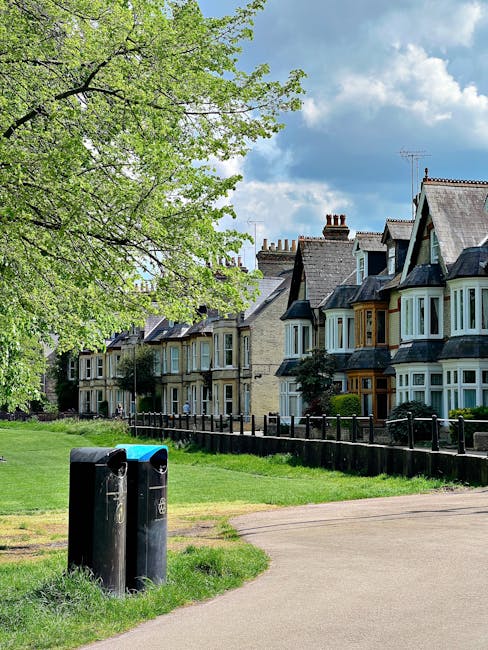
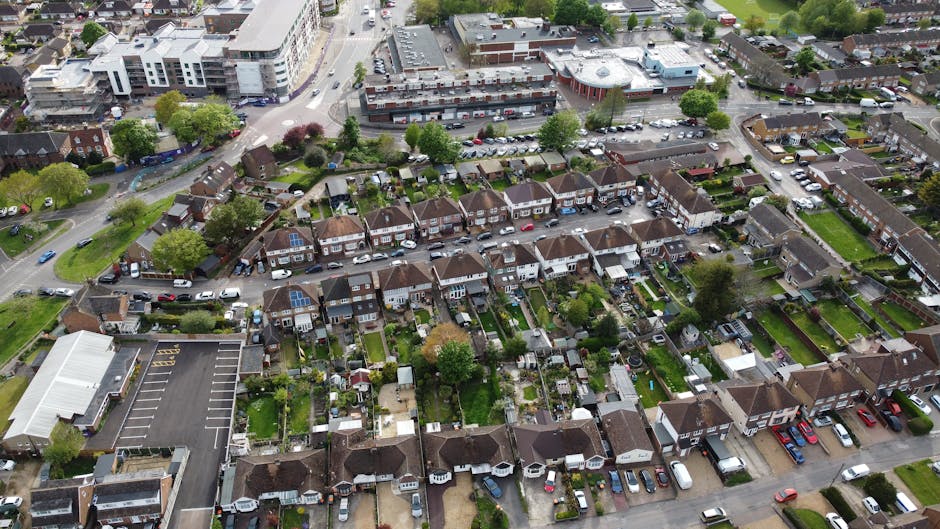
Sutton is a south London town and the administrative centre of the London Borough of Sutton, lying between central London and the Surrey suburbs. The town grew significantly from the late nineteenth century after railway connections improved access, and it still shows a layered character that combines older settlement patterns with later commercial and residential development. Sutton High Street remains one of its most recognisable corridors, linking shops, civic buildings and transport routes through the town centre. The borough includes a mix of town centres, suburban streets and open green spaces, so the local landscape shifts quickly from busy retail streets to quieter residential avenues and parkland. Nonsuch Park, on the edge of the borough, is one of the area’s best-known historic open spaces, while Cheam Village nearby preserves a more traditional village atmosphere with historic buildings and a distinct high street. Sutton is also associated with a strong educational profile, civic services and regular access to rail and bus routes, which have helped shape its role as a practical suburban centre. The town contains a range of architectural styles, from Victorian and Edwardian streets to interwar housing and modern developments, reflecting different phases of expansion. Local culture is supported by parks, libraries, theatres and community venues, and the wider borough includes several conservation areas that protect elements of its built heritage. Taken together, these features give Sutton a character that is both urban and leafy, with a centre that is busy enough to serve a broad population while still being closely tied to residential neighbourhoods and longstanding local landmarks.
Clearance for larger garden projects

Some customers need garden clearance as the first step in a larger outdoor project. Before paving, re-turfing, fencing, planting or structural work can begin, the site often needs to be stripped back to a workable condition. That can mean removing old debris, lifting unwanted materials and clearing away anything that would interfere with accurate measuring or installation. A clean starting point makes later work easier to plan and can reduce the chance of obstacles being discovered halfway through the job.
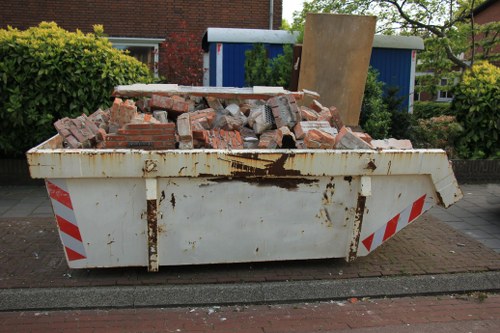
Where clearance is part of project preparation, we focus on leaving the usable space open and accessible. It may be enough to remove loose waste and bulky items, or the work may need to go further if the area contains old timber, forgotten containers or accumulated rubble. A good clearance supports the next phase rather than simply creating an empty patch of ground. Builders waste clearance becomes relevant where the garden contains material left behind after hard landscaping or outdoor building work.
This type of job benefits from a sensible sequence: identify the parts that must remain, clear the waste that blocks access and then remove any extra materials that would delay the follow-on work. That way, the garden is not only tidier but properly prepared for improvement.
Sorting green waste from mixed rubbish
One of the more important parts of garden clearance is deciding what counts as green waste and what does not. Grass, branches, leaves and plant matter are usually straightforward to separate, but outdoor spaces often contain mixed items such as packaging, broken plastics, old bags, damaged tools and leftover household clutter. These differences matter because the removal approach should suit the material, not just the location where it was found.
Mixed waste can arise when a garden has been used for storage, repairs or long-term general dumping. In those situations, the clearance may feel closer to a general tidy-up than a simple garden cut-back. We can still work through it in an organised way, but the practical method needs to reflect the mixture of contents. Garage clearance may also be relevant when garden overflow and stored items overlap with other parts of the property.
Understanding the difference between waste types helps keep the job efficient and can improve the final result. It also helps the customer decide whether the site needs a small removal or a broader clearance with more sorting. The better the waste is identified in advance, the easier it is to set realistic expectations for the work.
Choosing the right level of clearance

Not every garden needs a full strip-out. Some only need a quick removal of cuttings and a few awkward items, while others require a much broader clearance because years of accumulation have made the space difficult to use. Choosing the right level of service matters because it keeps the job proportionate to the actual condition of the garden. It also helps the customer avoid paying for more work than is necessary when a simpler tidy-up would do.
If you are unsure how much work is involved, think about the result you want. A presentable space for routine use may only need a partial clearance, while a neglected garden with multiple waste types could benefit from a more thorough visit. Pricing and quotes is the sensible place to look when you want to understand how the scale of the job is usually assessed. The final quotation depends on what needs removing, how much there is and how accessible the site is.
Call for a quotation when you are ready to get the garden back under control. If the waste is a mixture of green material, bulky items and general clutter, a clear description will help us shape the work appropriately. A practical, well-planned clearance gives you a cleaner outdoor area and a more usable starting point for whatever comes next.